


Introduction.
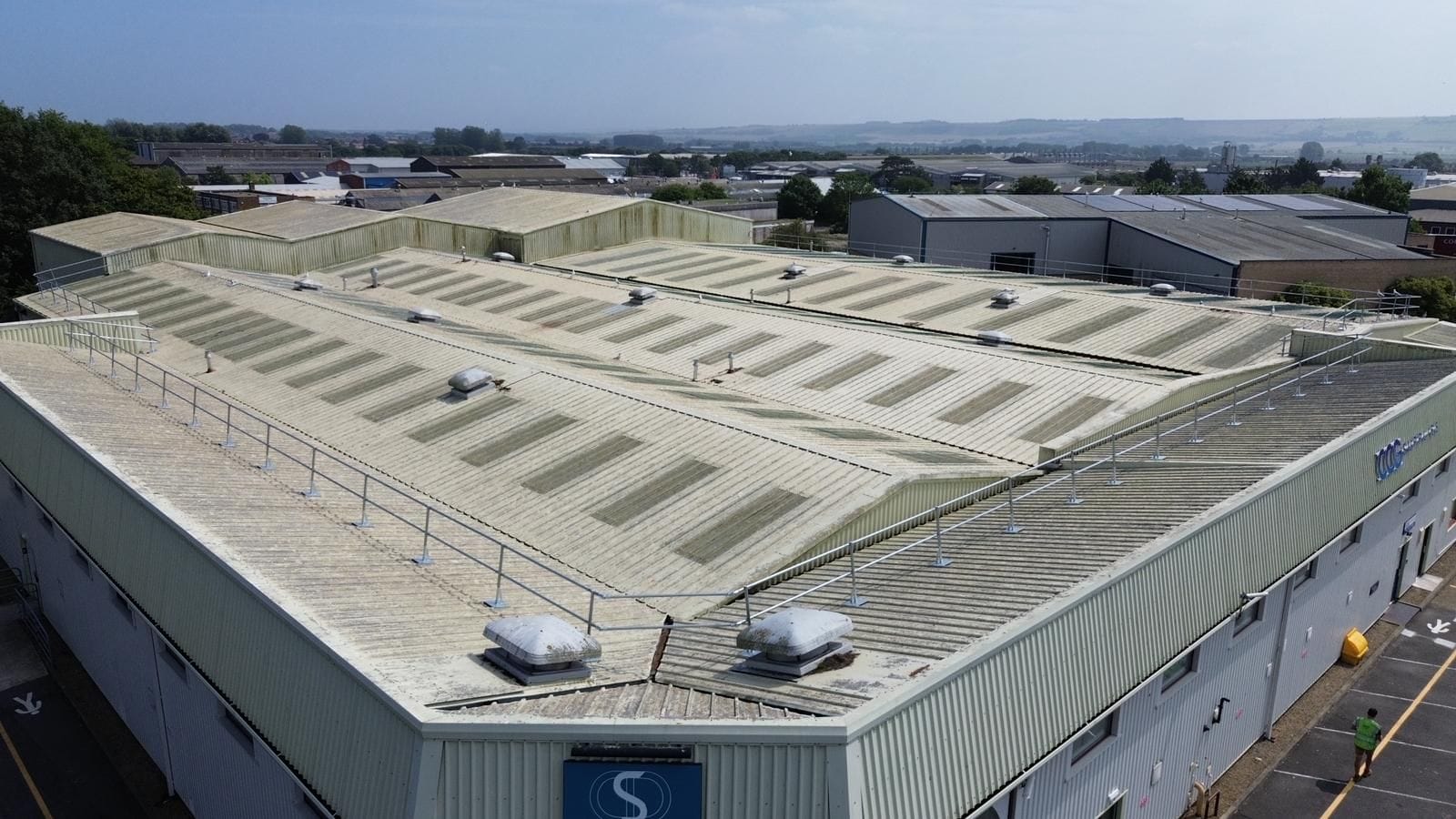
Free-standing handrails are safety and support structures that are independent of walls or permanent building elements. Unlike traditional handrails that are fixed directly to a wall, free-standing systems are mounted to the floor, ground, or a dedicated base structure. They are commonly used in environments where walls are unavailable, unsuitable for fixing, or where flexible installation is required and these handrails play an important role in accessibility, fall prevention, and mobility assistance, particularly for elderly individuals and people with disabilities.
What Are Free-Standing Handrails?
A free-standing handrail is a self-supporting railing system consisting of vertical posts, a continuous rail, and a base or mounting system with the structural load is transferred through the posts into the floor or ground rather than into adjacent walls.
Typical features include:
- Vertical support posts anchored to the floor or base plate.
- Continuous gripping rail designed for ergonomic support.
- Stable base or footing system to resist lateral loads.
- Modular sections that allow easy installation or relocation.
The main design objective is to provide stable physical support for walking, standing, or transitioning between positions.
Common Applications.
1. Accessibility and Disability Support.
Free-standing handrails are widely used to improve accessibility in environments where users require additional support. Typical installations include:
- Along walkways or pathways.
- Near building entrances and ramps.
- Adjacent to steps or level changes.
These rails assist individuals who require balance support while moving.
2. Temporary or Retrofit Installations.
In older buildings or rental properties, modifying walls may not be possible and free-standing systems allow safety improvements without structural alteration to the building.
Common scenarios include:
- Historic buildings where wall drilling is restricted.
- Temporary event structures.
- Modular construction sites.
3. Outdoor Pathways and Gardens.
Outdoor paths, especially those with uneven terrain or slopes, benefit from free-standing rails. They can be installed along:
- Garden paths.
- Driveways.
- Park walkways.
- Outdoor ramps.
Weather-resistant materials such as stainless steel or galvanised steel are typically used.
4. Residential Mobility Assistance.
In homes, free-standing handrails can assist with:
- Entering or exiting the house.
- Navigating steps.
- Moving along corridors or open spaces where walls are not available.
They are especially useful for individuals recovering from injury or surgery.
Materials Used in Free-Standing Handrails.
The choice of material affects durability, maintenance, and aesthetics.
Stainless Steel.
- Corrosion resistant.
- Suitable for outdoor use.
- Modern appearance.
Galvanised Steel.
- Strong and durable.
- Good weather resistance.
- Often used in commercial settings.
Aluminum.
- Lightweight.
- Rust resistant.
- Easy to install.
Powder-Coated Steel.
- Protective finish.
- Customizable colours.
- Improved longevity.
Design Considerations.
Stability and Load Capacity.
A free-standing handrail must withstand lateral forces exerted by users and proper anchoring and structural design ensure stability.
Ergonomics
The rail should have a comfortable grip diameter, typically between 32 mm and 50 mm, to allow safe grasping.
Height.
Standard handrail height generally ranges between 900 mm and 1000 mm above walking surfaces, though regulations may vary.
Compliance with Accessibility Standards.
In many countries, installations must comply with accessibility and building regulations that govern:
- Handrail height.
- Continuity of the rail.
- Edge protection.
- Load requirements.
Advantages of Free-Standing Handrails.
1. Flexibility of Installation They can be installed almost anywhere without relying on walls.
2. Minimal Structural Modification Buildings do not require drilling or reinforcement of existing walls.
3. Modular and Adaptable Many systems allow easy extension or relocation.
4. Enhanced Safety They significantly reduce fall risks, especially in areas with slopes or steps.
Maintenance and Durability.
Proper maintenance ensures long service life. Recommended practices include:
- Periodic inspection of anchor points.
- Checking for corrosion or surface damage.
- Tightening loose fittings.
- Cleaning rails to maintain grip and hygiene.
Outdoor systems may require additional corrosion protection and seasonal inspection.
Conclusion.
Free-standing handrails provide a versatile and practical safety solution in both residential and commercial environments and by offering structural independence from walls, they enable installation in locations where traditional handrails are not feasible. With appropriate materials, ergonomic design, and compliance with safety standards, these systems significantly improve mobility, accessibility, and fall prevention in modern built environments.