


Using the Correct Equipment.
Selecting the correct access equipment is essential for safe and efficient window cleaning. The most appropriate equipment will depend on factors such as:
- The height to be reached
- Site and ground conditions
- Duration and complexity of the task
- Frequency of access
All access equipment — including anchor points and fall protection systems — must be suitable for the task, properly maintained, and regularly inspected in accordance with the Lifting Operations and Lifting Equipment Regulations 1998 (LOLER) where applicable.
Safe Methods of Work.
Safe working methods must be implemented for all activities where there is a risk of injury. This is especially important for higher-risk window cleaning, such as work involving:
-
Powered access equipment (MEWPs)
-
Rope access / abseil cleaning
Operatives must:
- Fully understand the method statement and risk assessment, and
- Have their understanding checked before work begins
Clear, enforced procedures significantly reduce the likelihood of accidents.
Fall Prevention Equipment.
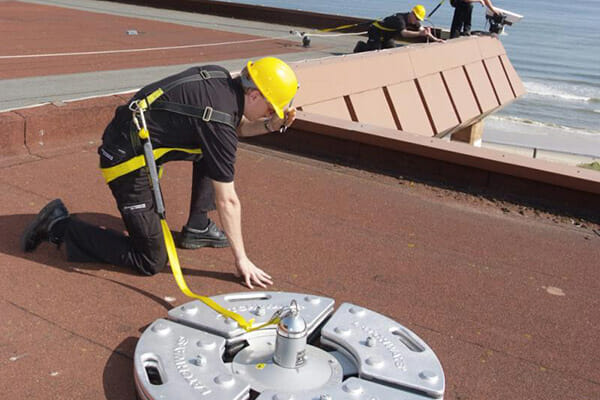
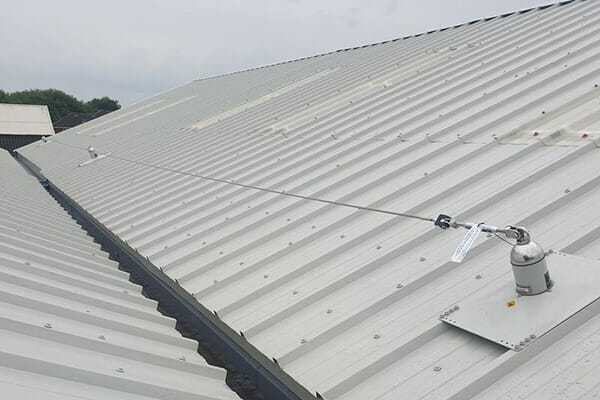
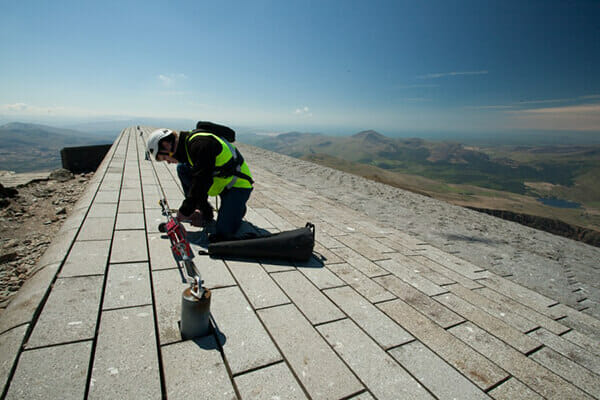
Fall prevention and fall arrest equipment must also be:
- Suitable for the intended task
- Maintained and inspected to the same standard as other access equipment
- Checked before each use
Any damage or defect that could compromise safety must be reported immediately, and the equipment must be repaired or replaced before being used again.
Training and Competency.
Regardless of the type of access equipment selected, employers must ensure that:
- Workers are fully trained,
- Competent to use the equipment safely, and
- Supervised where necessary.
This applies to employees, contractors, and any self-employed workers operating on the site.
Choosing the Right Access Equipment.
If you are unsure which equipment is most suitable, the Work at height Access equipment Information Toolkit (WAIT) provides a free online resource outlining common access equipment and possible solutions.
Portable Ladders.
Portable ladders have traditionally been used for cleaning low-level domestic windows (ground, first, and second floors). While ladders should not be the automatic first choice, they can be the most practical option for short-duration, low-risk tasks.
Before starting work, ensure that the ladder:
- Is strong, robust, and the correct length
- Is free from defects
- Is suitable for the specific task
Preventing Ladder Falls.
Most ladder accidents occur because the ladder moves unexpectedly. To prevent this:
- Ensure the ladder is stable and positioned correctly
- Carefully consider ground and surface conditions
- Tie the ladder to a suitable anchor point wherever possible
- Avoid overreaching or carrying loads that affect balance
For further guidance, refer to INDG455: Safe use of ladders and stepladders (HSE).
When Specialist Equipment Is Needed.
For windows beyond the safe reach of portable ladders, specialist access equipment such as MEWPs, suspended cradles, or rope access systems will be required. Each option must be selected based on a full assessment of risk, site conditions, and worker competence.