


Window Cleaning – Are Your Window Cleaners Safe?
This section provides essential guidance for planning, organising, and carrying out window cleaning at height. Its purpose is to help duty holders understand the risks involved and implement effective controls to protect workers and the public.
For detailed information on working conditions, selecting suitable access equipment, fall protection systems, and emergency rescue procedures, please refer to the sub-menu options.
What the Law Requires.
Health and Safety at Work etc. Act 1974 (HSW Act)
Under the HSW Act, employers must ensure—so far as is reasonably practicable—the health, safety, and welfare of their employees. They must also ensure that anyone affected by their work is not exposed to unnecessary risk.
These duties also apply to self-employed window cleaners where their work may pose a risk to others.
Work at Height Regulations 2005 (WAH)
The Work at Height Regulations require employers and anyone controlling work at height to ensure that:
-
The work is properly planned and organised
-
It is supervised
-
It is carried out by competent, trained personnel
-
The right type of access equipment is used
-
Work at height is avoided where reasonably practicable
Avoiding Work at Height Wherever Possible.
Before planning external window cleaning, consider safer alternatives:
-
Clean from inside the building where design allows
-
Use telescopic or water-fed poles from ground level
-
Clean from balconies or other existing, safe areas
These approaches often eliminate the need for workers to leave the ground, significantly reducing risk.
When Work at Height Cannot Be Avoided.
If you cannot clean windows safely from the ground or from inside:
-
Use an existing safe place of work, such as a balcony or secure platform, wherever possible.
-
If no safe place exists, provide suitable access equipment, such as:
-
MEWPs
-
Podium steps
-
Ladders (used only for short-duration, low-risk tasks)
-
Rope access (by appropriately trained operatives)
-
-
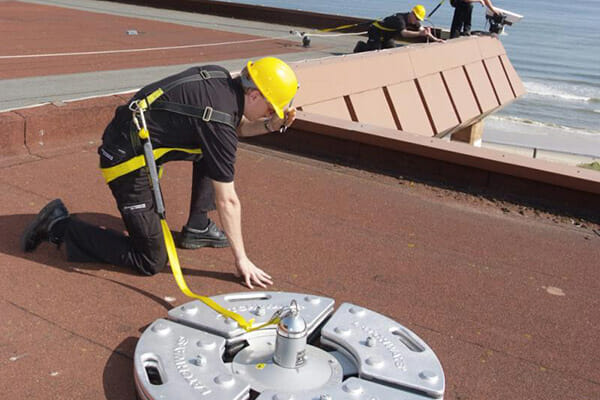
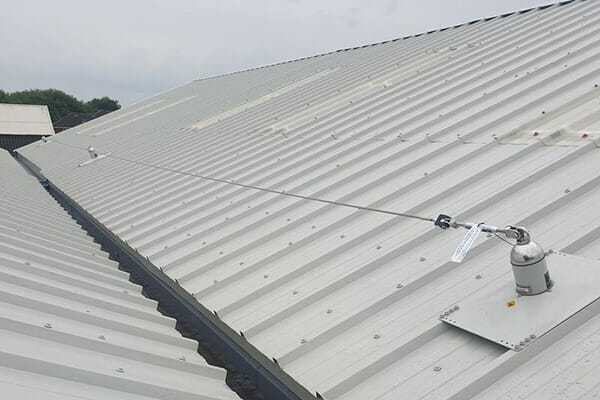
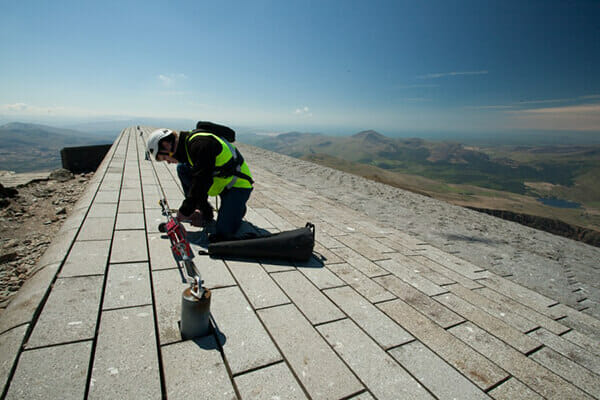
When the risk of falling cannot be eliminated, minimise the distance and consequences of a fall by using appropriate fall arrest systems, anchor points, or restraint equipment.
Consultation With the Client.
Before any window cleaning begins, it is essential to consult with the client or building manager. They should be able to advise whether:
-
Windows can be cleaned from the inside
-
The building design supports safer cleaning methods
-
Certain areas present increased risk (balconies, fragile roofs, etc.)
A coordinated approach helps reduce risks and ensures legal compliance.
Competence Requirements.
All individuals carrying out window cleaning must possess the appropriate:
-
Skills
-
Knowledge
-
Training
-
Experience
The required level of competence varies depending on the task. For example:
-
A rope-access (abseil) technician requires advanced specialist training
-
A domestic window cleaner using a water-fed pole may require only basic instruction
-
A ladder user must be trained in safe ladder selection, setup, and risk assessment
Competence is a legal requirement — not an optional extra.
Planning the Work.
If window cleaning at height is unavoidable:
-
The task must be planned in advance
-
A risk assessment must be completed
-
Emergency and rescue procedures must be in place
-
Equipment must be inspected and suitable for the job
-
Workers must be briefed and supervised appropriately
Effective planning is the key to preventing accidents and ensuring safe, efficient window cleaning operations.