


🇿🇦 South Africa – Fall Protection Legal Requirements.
Fall protection in South Africa is governed primarily by the Occupational Health and Safety Act (OHSA) 1993 and the associated Construction Regulations 2003.
These regulations apply to all workplaces where a person may be exposed to a fall risk.
1. Occupational Health and Safety Act 1993 (OHSA).
Section 8 – General Duties of Employers to Employees
Under Section 8 of the OHSA, employers are legally required to:
- provide and maintain a working environment that is safe and without risk to health
- ensure systems of work, plant and equipment are safe
- identify hazards and assess risks
- eliminate or mitigate fall hazards where reasonably practicable
- provide adequate training, supervision, and information to employees
- ensure employees are equipped with suitable PPE where necessary
- enforce safe work procedures
This section forms the core legal obligation for fall protection across all industries.
2. Construction Regulations 2003.
The Construction Regulations provide more specific requirements for workplaces where construction, maintenance, or height-related tasks are performed.
Key requirements include:
• Fall Protection Plans
A competent person must prepare a written Fall Protection Plan when work is carried out at height.
This plan must include:
- risk assessments
- fall protection measures
- equipment selection (fall arrest, fall restraint, work positioning, guardrails, etc.)
- installation and inspection procedures
- rescue planning and emergency response
- training requirements
• Competent Persons
Only trained, competent workers may perform tasks where fall hazards are present.
Competency includes:
- theoretical training
- practical instruction
- understanding of fall hazards and safe systems
• Fall Prevention Before Fall Arrest
Regulations follow the same hierarchy of control seen globally:
-
Prevent the fall (guardrails, platforms, edge protection)
-
Restrain the worker (work restraint systems)
-
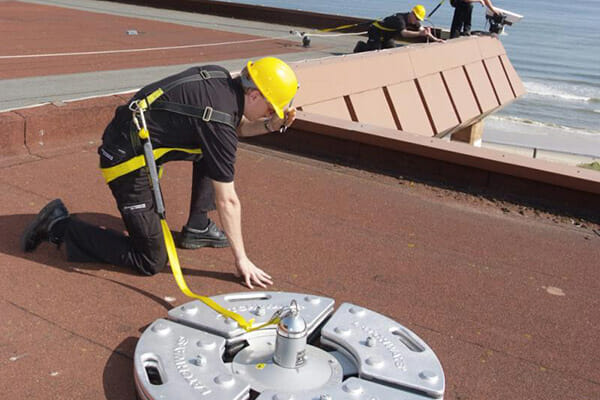
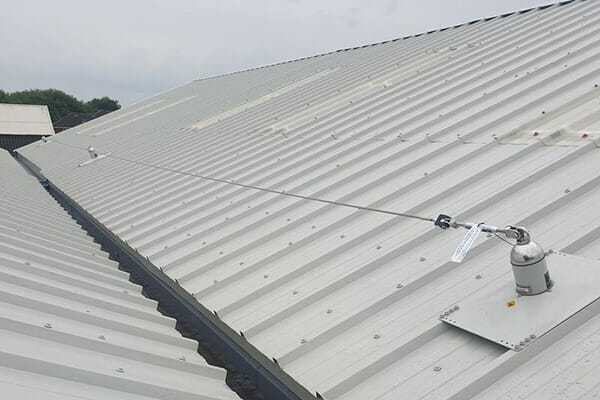
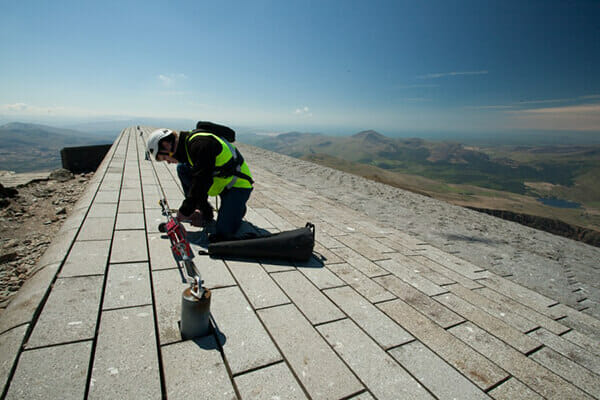
Arrest the fall (harnesses, lanyards, SRLs, anchor points)
Fall arrest may only be used when prevention is not reasonably practicable.
• Equipment Inspection
All fall-protection equipment must:
- be inspected regularly
- be maintained in good working order
- meet relevant safety standards
- be removed from service if defective
• Rescue Procedures
Where fall arrest systems are used, employers must provide suitable and effective rescue procedures.
Summary.
South African law places strong emphasis on:
- proactive planning
- competent supervision
- eliminating risks where possible
- using fall prevention before fall arrest
- preparing detailed fall protection plans
- ensuring equipment is suitable, inspected and maintained
Together, the OHSA (Section 8) and Construction Regulations 2003 provide a comprehensive legal framework to protect workers from fall hazards.